Have we ever wished there was a simple tool that made making the bed less of a backache and more of a quick, satisfying task?

Overview of NiHome Mattress Lifter for Changing Sheets Bed Skirts, Bed Making Tool for Bed Making Easier, Sheet Tucker Tool Protect Your Back, Hand, Reduce Excess Strain, Mattress Tucker Paddle (Single)
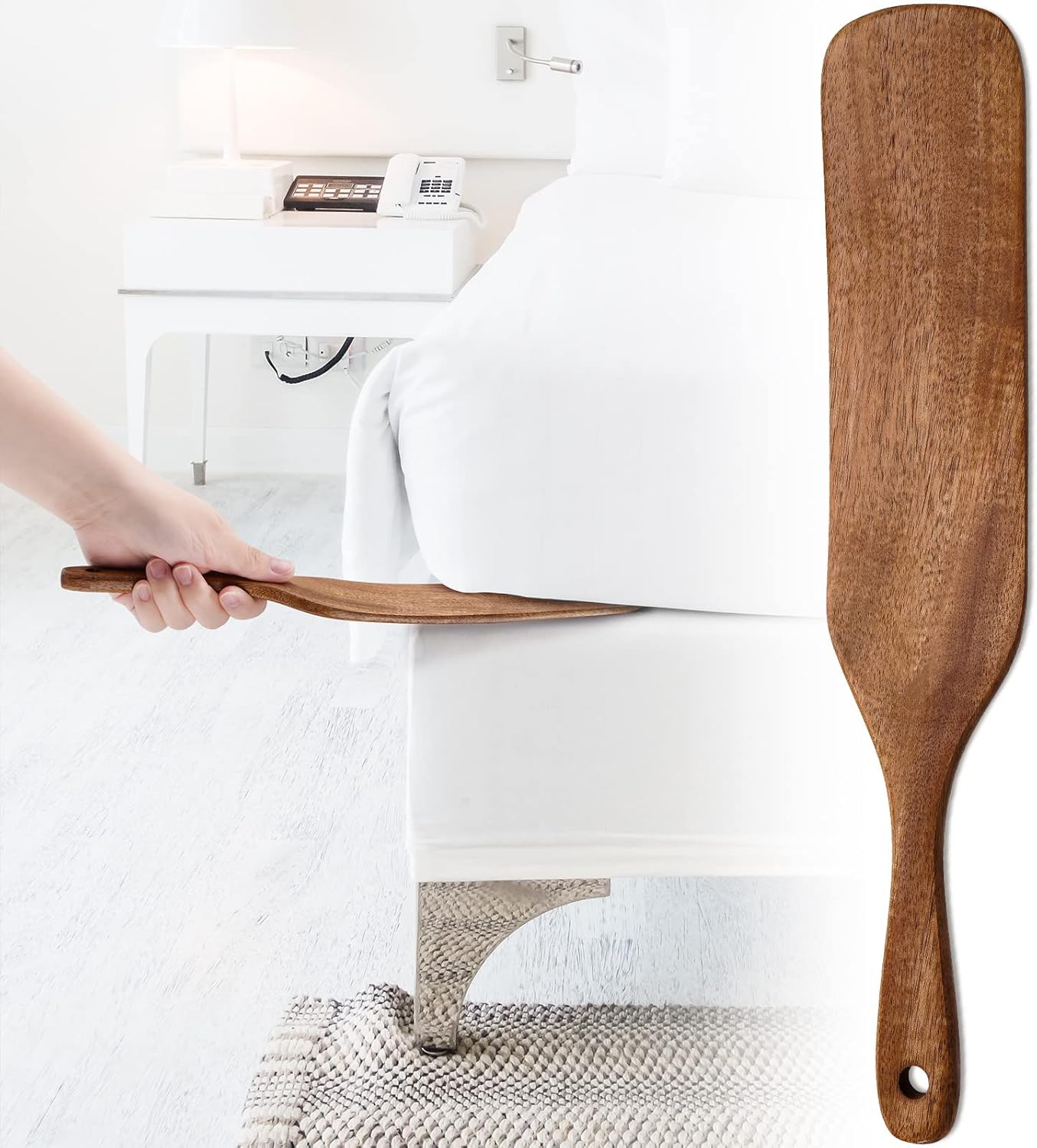
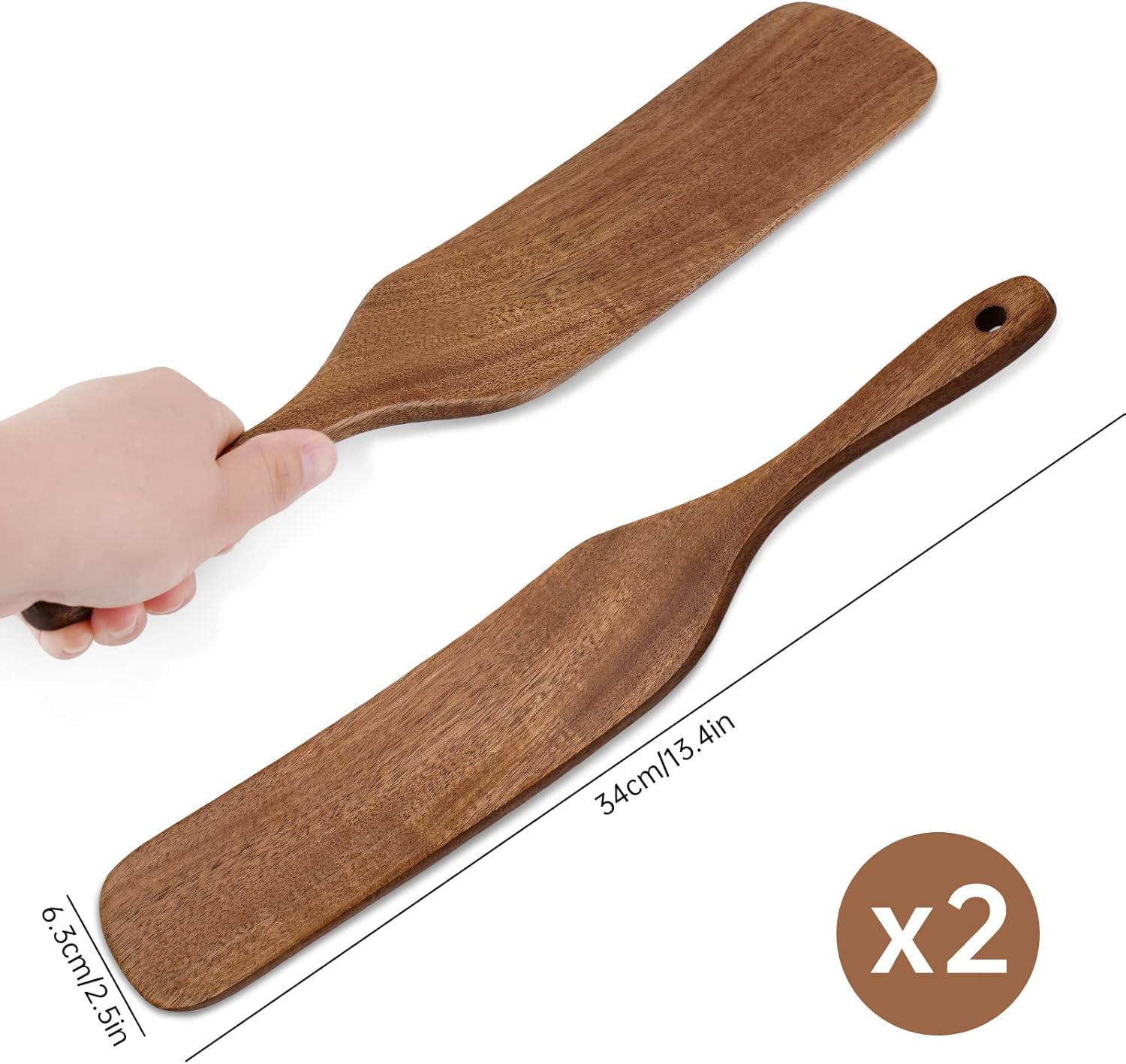
We’ll start with a clear look at what this product is and what it promises. The NiHome Mattress Lifter is a single wooden paddle designed to tuck sheets and bed skirts tightly without our having to lift a heavy mattress. Its main promises are ease, durability, and reduced strain on our backs and hands.
Quick specs and features
Here we summarize the main specs so we can refer to them quickly. This table gives an at-a-glance view of the most important details.
| Feature | Details |
|---|---|
| Product name | NiHome Mattress Lifter for Changing Sheets Bed Skirts, Bed Making Tool for Bed Making Easier, Sheet Tucker Tool Protect Your Back, Hand, Reduce Excess Strain, Mattress Tucker Paddle (Single) |
| Material | Teak wood |
| Included | Single wooden mattress tucker paddle |
| Primary use | Tucking sheets and bed skirts without lifting mattress |
| Target users | Elderly, people with back or wrist issues, caregivers, hotels, dorms, home |
| Weight sensitivity | Suitable for most mattress types (thin to medium), may vary with very heavy mattresses |
| Finish | Smooth, polished surface (designed not to scratch sheets) |
| Handle design | Angled, length optimized for leverage and reduced bending |
| Durability | High (teak wood is strong and resistant to breakage) |

NiHome Mattress Lifter for Changing Sheets Bed Skirts, Bed Making Tool for Bed Making Easier, Sheet Tucker Tool Protect Your Back, Hand, Reduce Excess Strain, Mattress Tucker Paddle (Single)
$7.99 In Stock
What we like about the tool
We want to highlight the strengths first so we can see why this simple item has value. The NiHome paddle combines classic materials with a straightforward design that addresses a common household chore.
- The teak wood feels solid and looks nicer than most plastic alternatives. We appreciate the tactile, warm feel when we hold it.
- The handle angle and length make it easier to tuck sheets without excessive bending, which helps protect our backs and hands.
- It’s very easy to use: the method is intuitive, and even children can learn it after a couple of tries.
- The paddle is lightweight and portable, so we can store it in a linen closet or keep it nearby during bed changes.
What we don’t like
We’ll also be honest about where the tool falls short. No product is perfect, and the limitations are worth understanding.
- For very heavy mattresses or particularly deep mattress toppers, the paddle may require repeated tucks to achieve a perfectly snug fit.
- Teak wood, while durable, can be more expensive and requires more care than plastic if it gets wet or is exposed to moisture long-term.
- Since this is a single paddle, making larger beds still takes time; some users may prefer a pair or a broader tool for quicker work.
Material & build quality
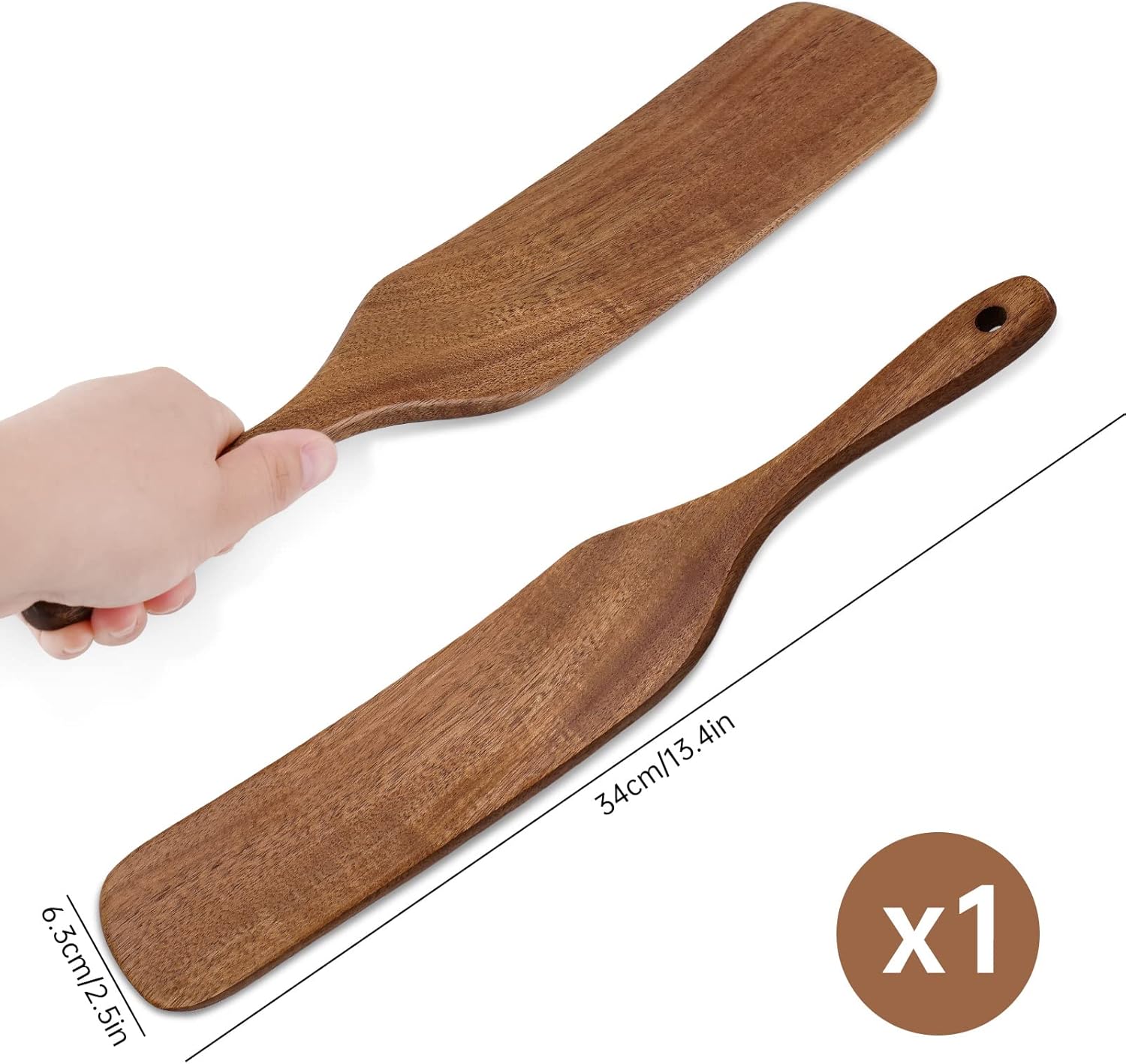
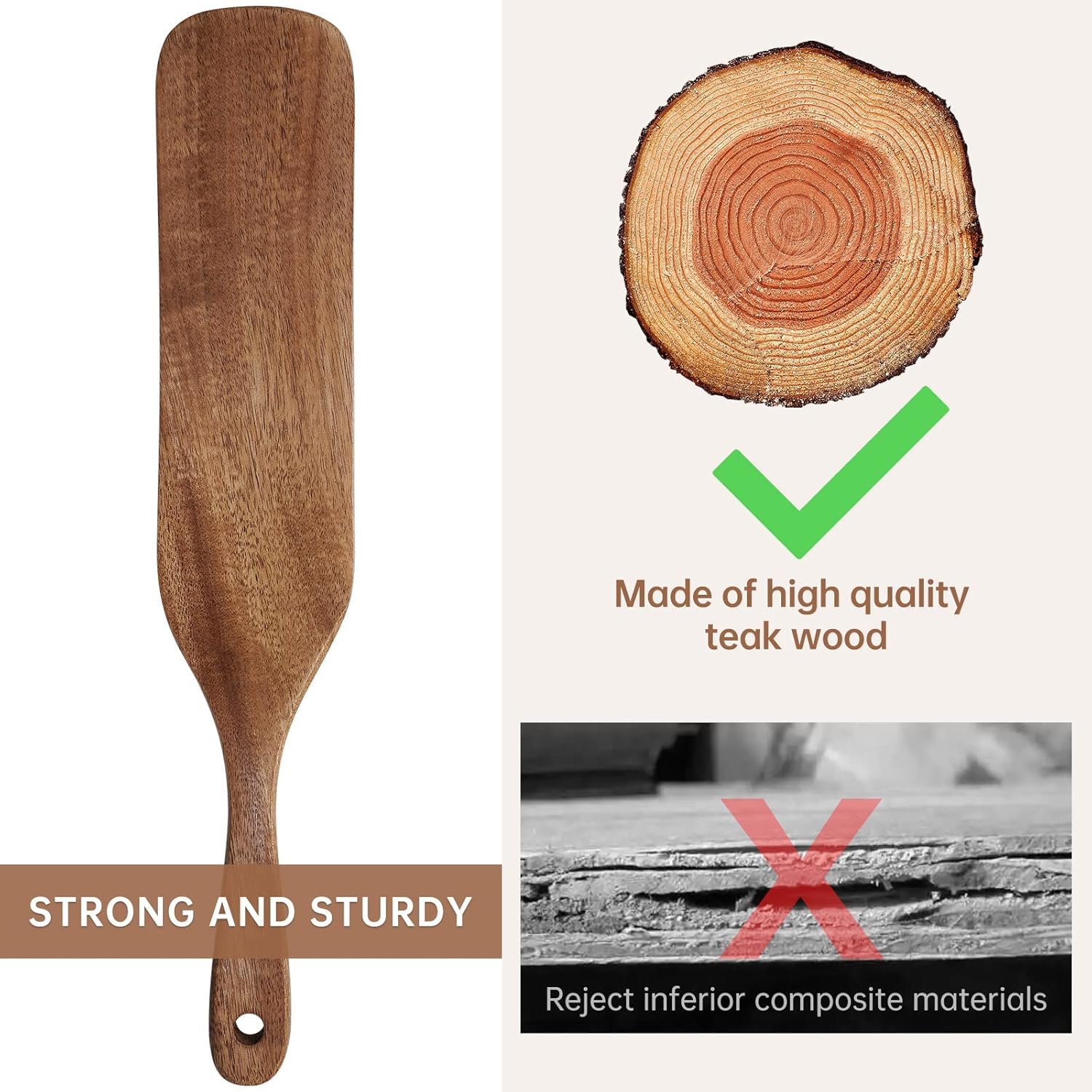
We’ll cover why teak matters and how the construction affects usability. The paddle is made from high-quality teak wood, chosen for strength and durability.
- Teak is a dense hardwood that resists cracking and can withstand repeated leverage without breaking. That makes it more reliable than brittle plastics.
- The surface is sanded smooth, which minimizes the risk of snagging or scratching delicate sheet fabrics.
- The handle is proportioned to give us leverage while keeping comfort. The ergonomic angle reduces wrist strain and the need to stoop deeply.
Design & ergonomics
Design choices shape how comfortable and effective the tool is. NiHome focused on a simple, functional shape.
- The paddle’s tapered edge slides under mattresses and bed skirts with minimal effort. We find that the slim profile helps when the mattress gap is narrow.
- The handle angle reduces the distance we need to bend and increases leverage, so we use our arm and torso more efficiently.
- Because it’s lightweight, we can use it with one hand and maintain better posture while tucking.
How to use the NiHome Mattress Lifter — step-by-step
We’ll outline a clear method so we can get the best results quickly. The tool is simple, but a few technique tips help.
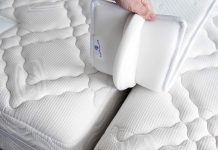
- Position the sheet or bed skirt where it needs to be tucked. Smooth it over the mattress edge so it hangs evenly.
- Slide the tapered end of the paddle into the small gap between mattress and bed frame or box spring. If the gap is narrow, angle the paddle gently to find a slit.
- Press the sheet against the mattress pocket with the paddle edge. Use a steady, controlled push to slide the sheet deeper into the gap.
- Use the handle leverage to push the fabric until it sits snugly. For deeper tucks, repeat along the edge in sections rather than trying to push a long stretch of fabric at once.
- Check for evenness and adjust small areas by hand if necessary. The goal is a clean, flat surface without bunching.
Performance in everyday use
We’ll describe typical real-world experience so we can set accurate expectations. In normal daily use, the paddle performs reliably and saves time.
- For twin and full beds, the tool allows us to tuck sheets tightly in under a minute per side when we’ve practiced a few times.
- For queen and king sizes, it’s still a time-saver, though we need to repeat the motion along the length of the bed.
- When sheets are especially stiff or have thick elastic, we find that working in small sections yields the best results.
- It’s especially helpful for bed skirts: the paddle slides the skirt into place neatly, avoiding the need to pull the mattress up.
Who benefits most from this tool?
We’ll identify primary users so we can match the product to the right people. This paddle is especially useful for anyone who needs to reduce bending or improve efficiency.
- Elderly people who want to keep independence with household tasks without straining their backs.
- People with low-back pain, lumbar spine issues, or limited mobility who need a practical way to make the bed.
- Individuals with hand or wrist arthritis who need to avoid strong pinching or lifting motions.
- Caregivers making beds in hospitals, long-term care facilities, or home environments.
- Hotels, dormitories, and Airbnb hosts who change sheets frequently and appreciate a durable, quick tool.
Pros and cons — quick comparison
We’ll summarize advantages and disadvantages in a compact format to help us decide quickly.
Pros:
- Durable teak wood construction feels solid and premium.
- Smooth finish reduces risk of fabric damage.
- Ergonomic handle reduces bending and wrist strain.
- Intuitive one-handed use; children can learn it.
- Affordable and suitable for many settings: home, dorm, hotel.
Cons:
- Requires repeated use on very heavy mattresses or thick toppers.
- Wooden material needs some care; not ideal for very damp environments.
- Single paddle may slow the process for very large beds unless multiple tools are used.
Comparison with alternatives
We’ll compare the paddle to other common solutions so we can weigh the trade-offs.
- Plastic tucking tools: Cheaper and often bulkier, but they can crack under stress. The teak paddle feels more durable and looks nicer.
- Inflatable mattress lifters: These lift the mattress to tuck sheets underneath but add more complexity, storage needs, and cost. The paddle is simpler and quicker for many of our needs.
- Two-person manual lift: Effective but requires another person. The paddle lets one of us achieve similar tucks without help.
- Electronic bed makers/automated systems: Expensive and limited in availability for home users; the paddle is low-cost and practical for everyday households.
Care and maintenance
We’ll explain how to keep the paddle in good condition so it lasts. Being wooden, it needs different care from plastic but is still straightforward.
- Keep the paddle dry. If it gets wet, dry it promptly to prevent warping or water stains.
- Occasionally wipe it with a damp cloth and mild soap, then dry thoroughly.
- If the finish dulls over time, a light application of mineral oil or teak oil can restore the wood’s luster—apply sparingly and wipe off excess.
- Avoid prolonged exposure to direct sunlight or extreme temperature changes, which can cause wood to expand or crack.
Safety tips and common issues
We’ll share recommendations to avoid problems and get the most from the tool. Small precautions preserve both the paddle and our sheets.
- Use steady pressure rather than sudden force. The paddle gets results with controlled pushes; jerking can damage delicate fabrics.
- Check the mattress gap before inserting the paddle to avoid catching on internal bed components.
- If sheets snag, back out and re-approach at a slightly different angle rather than forcing the fabric.
- For very tight sheet fits, work in short sections to prevent bunching.
Troubleshooting tips
We’ll help with common problems so we can resolve them quickly when they occur.
- If the paddle won’t slide under the mattress: tilt it slightly; the tapered edge should find the gap. If the mattress is abutting the frame, lift one corner slightly by hand or recruit a helper.
- If fabric keeps sliding back out: press the sheet deeper by tucking smaller sections, or use a clip to temporarily hold the corner while you move along the edge.
- If the paddle leaves light markings on extremely delicate fabrics: make sure the surface is clean and free of grit. Sanding with very fine grit or applying a softer protective wrap (like a thin cloth sleeve) can help.
Value for money
We’ll consider whether the product is worth buying. For most households, this paddle represents a small investment with ongoing convenience.
- Compared with physical strain saved over repeated bed-making sessions, the paddle’s cost is quickly offset—especially for those with back issues or who make beds frequently.
- The durability of teak means it’s likely to last much longer than low-cost plastic alternatives.
- For hotels or professionals, the time savings and consistency of results can justify bulk purchases.
Real user scenarios and use cases
We’ll give concrete examples so we can see how the tool fits into daily life.
- Single-person household: One of us can change sheets and tuck them tightly without asking for help, maintaining independence.
- Caregiving setting: We can make beds quickly and safely, reducing time spent on repetitive bending.
- Frequent Airbnb host: Rapid turnovers benefit from small tools that improve neatness and speed.
- Dormitories and student housing: Lightweight and durable for residents who may need a simple, shared solution.
Variations and accessories we wish existed
We’ll note a few ideas for future versions that could enhance the tool’s versatility.
- A pair or wider paddle option for quicker tucking on large mattresses.
- A removable soft sleeve to protect very delicate fabrics during tucking.
- A small hole and strap at the handle end for hanging storage or for a wrist strap to prevent accidental dropping.
- A slightly longer handle version for very tall beds or users who prefer more distance from the mattress.
Where to buy and what to look for
We’ll explain buying tips so we can choose the right purchase path and avoid counterfeits.
- Look for the product on reputable online marketplaces and the manufacturer’s official channels to confirm authenticity.
- Check reviews and photos from other buyers to confirm build quality and finish.
- If price varies widely, compare whether different listings include the same materials (teak vs. generic wood) to ensure value.
- Consider buying an extra paddle if you frequently make large beds—having two can halve the time.
Frequently asked questions (FAQ)
We’ll answer common questions so we don’t have to search elsewhere for quick answers.
Q: Will the paddle damage delicate sheets? A: The surface is smooth and intended not to scratch fabrics, but we recommend checking for grit or rough edges before use. For very delicate linens, consider using a thin cloth sleeve over the paddle edge.
Q: How does this compare to lifting the mattress? A: Lifting a mattress is labor-intensive and risks injury. The paddle lets us tuck sheets into the mattress gap using leverage, eliminating most of the need to lift.
Q: Can children use it safely? A: Yes. The tool is simple and lightweight enough for older children to use under adult supervision.
Q: Is teak wood necessary? A: Teak offers durability and resistance to breakage. Cheaper woods may work but can be more prone to cracks or splinters under stress.
Q: Will it work on platform beds without a deep gap? A: It works best when there is a narrow gap between mattress and frame or box spring. For platform beds with no gap, the paddle may be less effective.
Our verdict
We’ll wrap up with a balanced final assessment. The NiHome Mattress Lifter is an effective, thoughtfully designed tool for anyone who wants an easier, safer way to make beds and achieve neat, tight sheets.
- It’s especially valuable for people who need to avoid heavy lifting or prolonged bending. The teak construction and ergonomic handle make it a reliable, comfortable tool.
- While not a perfect substitute for all mattress types or heavy-duty professional use, it is a great everyday solution for most households, dorms, and hospitality settings.
- Overall, we see it as a smart, affordable addition to our linen closet that reduces strain and improves efficiency.
Final tips for best results
We’ll leave a few practical tips so we can consistently get the most out of the paddle.
- Practice the motion a couple of times; technique improves speed and smoothness.
- Work in short sections for tight sheets to prevent bunching and ensure an even tuck.
- Keep the paddle clean and dry; a little oil once a year preserves the wood.
- Consider a second paddle for large beds or for faster turnover tasks.
If we want a small, durable, and ergonomic tool to make bed-making easier while protecting our backs and hands, the NiHome Mattress Lifter for Changing Sheets Bed Skirts, Bed Making Tool for Bed Making Easier, Sheet Tucker Tool Protect Your Back, Hand, Reduce Excess Strain, Mattress Tucker Paddle (Single) is a practical choice that performs well for most everyday situations.