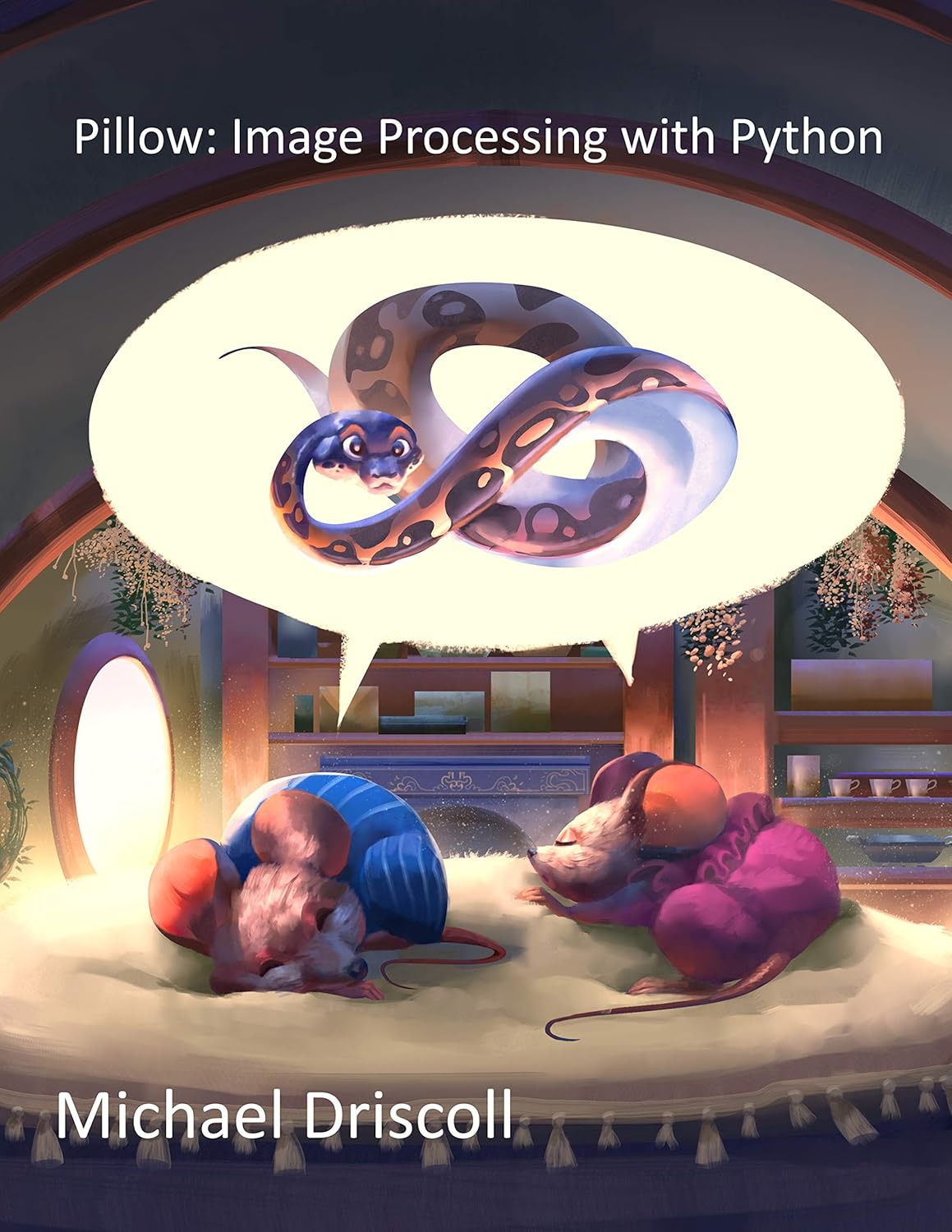
Have you ever wondered how to make the most out of image processing in Python? If so, you might have come across the Kindle edition of “Pillow: Image Processing with Python.” Let’s dive into why this is a go-to resource for both beginners and seasoned developers interested in manipulating images with Python.
This image is property of Amazon.com.

What is Pillow?
Pillow is an essential library for image manipulation in Python. It acts as a friendly fork of the Python Imaging Library (PIL), providing more user-friendly and accessible tools to handle image processing tasks. This book promises to guide us through leveraging Pillow effectively, streamlining complex operations into manageable components.
Why Choose Pillow?
We often find ourselves needing simple, intuitive libraries to perform tasks without burdensome complexity. Pillow offers exactly that, making image processing accessible. This book specifically complements the library’s philosophy, providing practical examples and use cases that can significantly enhance our understanding.
Table of Features
Below is a breakdown of what Pillow offers, as highlighted in the book:
| Feature | Description |
|---|---|
| Easy to Use | Simplified syntax ideal for both beginners and pros |
| Supported Formats | JPEG, PNG, GIF, TIFF, and more |
| Performance | Efficient handling of image conversion and processing |
| Extensibility | Easily extends and integrates with other Python libraries |
| Platform Support | Works seamlessly across major platforms, including Windows, macOS, and Linux |
This table showcases the factors that make Pillow a favorite among developers working with Python for image processing.

Getting Started with Pillow
The book sensibly starts with the basics, introducing us to installing Pillow effortlessly. It walks us through setting up our development environment, ensuring that these initial steps are not roadblocks in our learning journey.
Installation Process
Almost everyone finds installation daunting when beginning with a new library. However, Pillow simplifies this with a straightforward pip install Pillow command. The book details this process, addressing potential hiccups such as dependency issues or platform-specific concerns.
Basic Operations
From reading an image to displaying it, the basics are laid out in an easy-to-follow format. We get to learn functions like Image.open() and Image.show() early on, demystifying the initial steps of image processing. The examples are practical, letting us practice along, enhancing retention and understanding.
Advanced Image Processing
Once the basics are covered, the book transitions smoothly into more advanced topics. It elaborates on the various transformations and filters that can be applied to images, backed by code snippets that are both illustrative and functional.
Image Transformations
Understanding how to perform operations such as rotation, cropping, or resizing is crucial. The book provides clear explanations on these transformations, with Python code that we can replicate on our projects. For example, rotating an image becomes as simple as calling image.rotate(angle).
Applying Filters
Filters can dramatically change an image’s appearance, and with Pillow, applying them becomes a breeze. The book discusses various filters like ImageFilter.BLUR or ImageFilter.CONTOUR. Each filter is explained with context on when and why to use it, providing practical applicability.
Real-World Applications
We are often curious about applying what we learn to solve real-world challenges. This book doesn’t disappoint in this aspect, tying theoretical knowledge to actionable insights.
Case Studies
From automating batch image processing to developing a simple photo editing tool, the book includes case studies demonstrating Pillow’s capabilities. These examples not only inspire but also help us understand common challenges and solutions in the realm of image processing.
Integration with Other Python Libraries
One of Pillow’s strengths lies in its ability to integrate with other libraries like NumPy or OpenCV. The book highlights several scenarios where combining these libraries can result in more powerful image processing pipelines. This demonstrates Pillow’s versatility and its vital role in a broader computational ecosystem.
This image is property of Amazon.com.
Testing and Debugging
No journey with software development is complete without addressing potential pitfalls. The book includes a section dedicated to understanding how to efficiently test and debug code, saving us time and frustration.
Common Errors and Solutions
The guide covers common errors that developers might encounter, including syntax errors, installation mishaps, and common logical pitfalls. This insight is invaluable, offering us solutions before we even run into problems, thus smoothing our learning curve.
Optimization Tips
Including tips on optimizing Pillow’s performance, the book ensures we can efficiently handle images without unnecessary computational bloat—vital for projects that involve handling large datasets or high-resolution images.
Conclusion
To wrap things up, the Kindle Edition of “Pillow: Image Processing with Python” emerges as a comprehensive resource tailored to both beginners and seasoned developers looking to expand their expertise in image processing. By offering a blend of theoretical knowledge, practical demonstration, and real-world applications, this book caters to our innate curiosity to learn and apply our knowledge effectively. We walk away not just having learned about Pillow but having a toolkit we can readily employ to tackle image processing challenges confidently.

Disclosure: As an Amazon Associate, I earn from qualifying purchases.