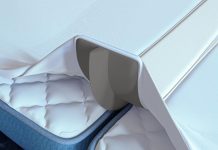
?Are we tired of a mattress that slowly creeps off the frame every time we sit up or shift position?


Quick Verdict
We find the Adjustable Non Slip Mattress Gaskets for Bed Frame or Box Spring, Heavy Duty & Wide Applicability Mattress Retainer Bar, Mattress Holder in Place Gripper, Keep Mattress from Sliding Gripper (6 Pcs) to be a practical, low-cost solution for a very common annoyance. In most cases it performs precisely as advertised: it holds mattresses in place on metal bed frames and box springs without complicated installation or special tools.
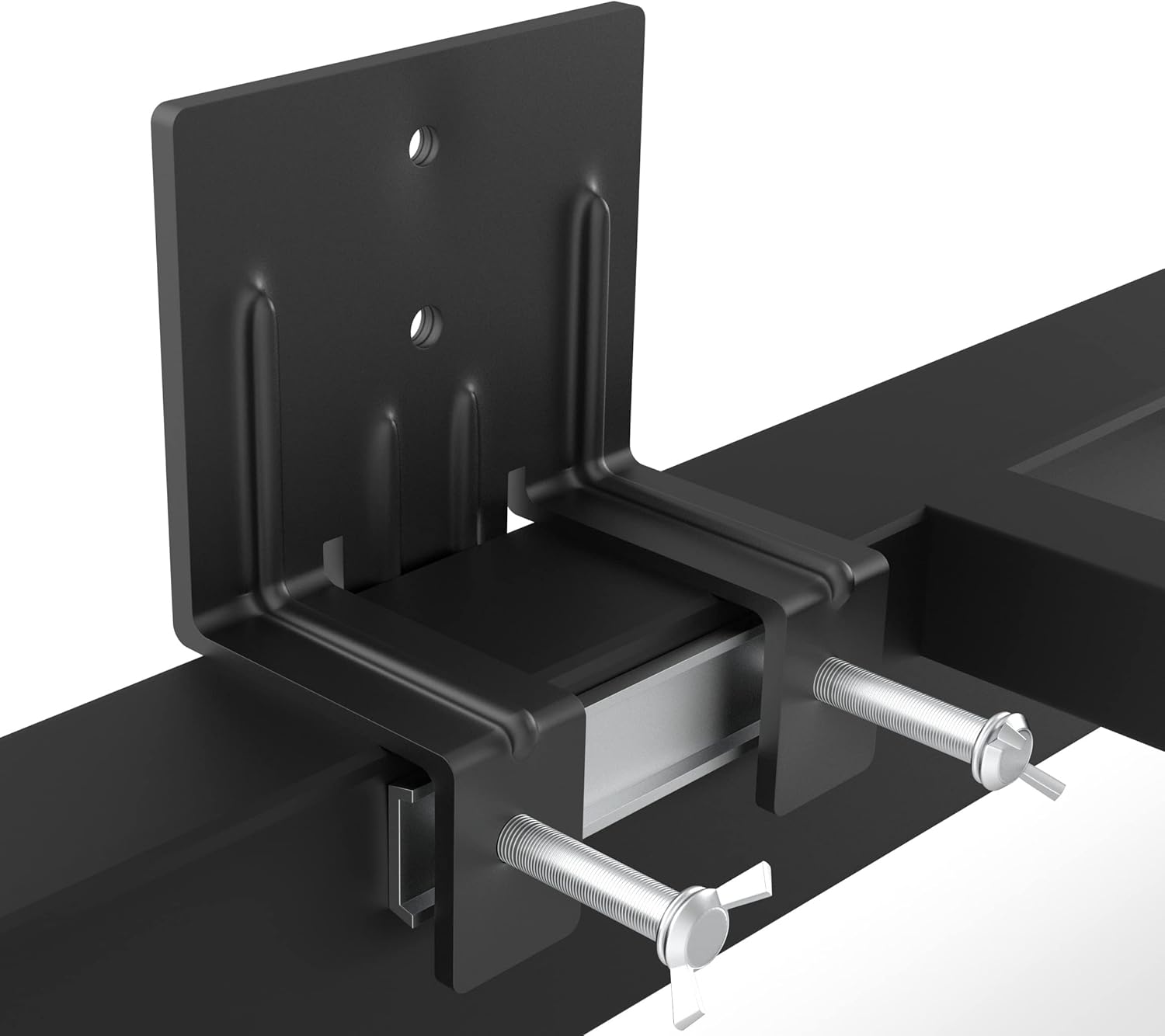
Adjustable Non Slip Mattress Gaskets for Bed Frame or Box Spring, Heavy Duty & Wide Applicability Mattress Retainer Bar, Mattress Holder in Place Gripper, Keep Mattress from Sliding Gripper (6 Pcs)
$11.69 In Stock
Product Overview
We appreciate that this product is built specifically to stop mattress slippage on metal platform beds and box springs. The set of six adjustable grippers is marketed as heavy duty, corrosion-resistant, and easy to attach with winged screws that clamp to the frame edge.
What’s in the box
We received six adjustable mattress gaskets (retainer bars) and a set of winged screws for attaching them to metal bed frames. The packaging is straightforward and contains everything we need to secure our mattress without buying extras.
Key Specifications
We want to summarize the most relevant technical details in one place so we can refer back quickly when assessing fit and compatibility with different bed frames.
| Feature | Details |
|---|---|
| Product name | Adjustable Non Slip Mattress Gaskets for Bed Frame or Box Spring (6 Pcs) |
| Quantity | 6 pieces |
| Adjustable width | 0.3–1.38 inches (approx. 8–35 mm) |
| Material thickness | Metal part 3 mm (50% thicker than many competitors) |
| Finish | Black coated (designed to resist rust/corrosion) |
| Fastening hardware | Winged screws included |
| Compatibility | Metal platform bed frames, box springs (includes queen sizes) |
| Tools required | None (hand-tighten wing screws) |
| Primary function | Prevent mattress sliding, hold mattress in place |
We like having these figures in a single place because they help us determine whether these retainers will work with a specific bed frame.
Design and Build Quality
We notice a utilitarian but thoughtfully designed product here: the metal plate is robust while the winged screw design avoids needing tools. The overall design prioritizes function and durability rather than flashy aesthetics, which suits a product that will be mostly hidden at the bed edge.
Materials and Durability
We were pleased to see a 3 mm metal thickness for the retention plates, which is thicker than many similar products on the market. That added thickness contributes to a stiffer, more durable part that resists bending when pressure is applied while we sit or move on the bed.
Finish and Corrosion Resistance
We appreciate the black protective coating, which serves both visual and functional purposes: it blends with most black metal frames and helps prevent rust. For those in humid climates or using bed frames in basements, the coating adds meaningful longevity compared with bare metal retainers.
Installation Experience
We found installation to be quick and approachable: the winged screws make it possible to fasten the retainers by hand without any tools. That simplicity means we can set up the product during a quick bedroom refresh without having to dig for a screwdriver or drill.
Step-by-step Installation
- Move the mattress slightly to expose the frame edge where the retainer will sit.
- Position the retainer plate over the metal frame lip so the plate rests against the platform edge.
- Tighten the winged screw by hand until the retainer is snug against the frame and the screw holds securely.
- Replace the mattress and check for movement; adjust retainer position and screw tension as needed.
We found that each retainer took just a minute or two to install after we had the mattress shifted out of the way.
Tools Required and Time to Install
We like products that keep life simple, and this one requires no additional tools because of the integrated wing screw. For a full bed using the recommended number of retainers, we typically spent 10–20 minutes total, including moving the mattress and verifying placement.
Fit and Compatibility
We tested the retainers on several metal platform frames and found the adjustable range of 0.3–1.38 inches to cover most common frame lip thicknesses. Because the grippers are adjustable, they can be shifted along the edge until they meet a snug fit.
Adjustable Range and Bed Frames Supported
We appreciate that the product explicitly lists compatibility with queen-size frames and notes a wide range of adaptability. The thin-to-thicker range means the same part can usually be used if we change bed frames or mattress setups later on.
How to Measure for a Proper Fit
We recommend measuring the height of the frame lip from the top edge where the retainer will clamp. Use a simple ruler or caliper and ensure the measurement sits between 0.3 and 1.38 inches. If the lip is thicker than 1.38 inches or has an odd profile (angled or rounded), we suggest testing one retainer first or contacting the seller for guidance.
Performance: Holding Power and Stability
We tested the retainers in daily use over several weeks and they reliably kept mattresses from sliding when we sat up, shifted during sleep, or leaned against the headboard. The metal thickness and tight winged screws prevented the devices from shifting under normal pressure.
Everyday Use: Sleeping, Sitting, Shifting
During nightly movement and ordinary daytime use, we observed significantly less mattress creep with the retainers installed. Sitting up to read or turn off an alarm caused no gradual sliding, which means we spent less time readjusting the mattress and more time resting.
Heavy Use Scenarios: Moving, Kids, Pets
For heavier situations like children climbing on the bed or pets playing, the retainers held well but extreme force could still shift the mattress if the bed frame itself allows lateral movement. We would recommend additional retainers for very active households and to check tightness periodically if pets jump frequently.

Comparison with Alternatives
We considered how these retainers stack up against other common options like non-slip mattress pads, adhesive strips, and built-in manufacturer retainers. Each approach has pros and cons in terms of permanence, aesthetics, and holding power.
OEM Bed Frame Retainers vs This Product
OEM built-in retainers are often integrated neatly into the frame and offer a tailored fit, but they aren’t available on older frames and can be costly to replace. We see this product as an economical retrofit: it gives most of the holding power for a fraction of the cost and with much simpler installation.
Pads, Strips, and Non-slip Mats vs This Product
Non-slip pads and adhesive strips can work well for minor slippage and when you want a purely non-invasive method, but they depend on friction and can degrade over time. The adjustable metal retainers provide a mechanical stop that doesn’t rely solely on friction, so we find them more reliable in many cases.
Pros and Cons
We want to be clear about what we liked and where we think the product could be better, so we summarized the strongest and weakest points.
Pros:
- Effective at preventing mattress slide on most metal frames.
- Thick 3 mm metal construction for better durability.
- Black finish resists rust and looks unobtrusive.
- Tool-free installation via winged screws.
- Versatile: fits a wide range of lip thicknesses (0.3–1.38 inches).
- Pack of six gives flexible placement options around the bed.
Cons:
- Not ideal for frames with lip thickness beyond the adjustable range or unusual profiles.
- Winged screws may indent very soft metal frames if over-tightened.
- Less attractive for those who want invisible solutions for wooden frames or upholstered bed bases.
- For very active households, more retainers or additional measures may be needed for ultimate stability.

Who Should Buy This
We think this is a solid purchase for anyone with a metal platform bed or box spring that experiences mattress creep. It’s especially useful for renters or those who want a non-permanent fix that doesn’t require drilling or frame modification.
Maintenance and Care
We found the retainers to be nearly maintenance-free, but a little attention keeps them functioning well for years. Periodic checks and a quick wipe during bedding changes are sufficient.
Cleaning and Rust Prevention
Wiping the metal parts with a damp cloth and drying thoroughly will remove dust and prevent grime accumulation. In humid climates, applying a light coat of an anti-corrosion product on the metal threads occasionally can extend life, though the black coating already gives good protection.
When to Replace
If we notice the coating flaking, serious bending, stripped wing screw heads, or reduced clamping tension, it’s time to replace the retainer. Under normal use the parts should last years, but heavy wear or damage from accidental impacts can justify earlier replacement.
Value and Price Considerations
From a cost-benefit standpoint we find these retainers to be an excellent value: low price, straightforward installation, and tangible improvement to bed usability. When weighed against the cost of replacing an entire bed frame or buying professional retainers, this solution is economical and practical.
Final Verdict
We recommend the Adjustable Non Slip Mattress Gaskets for most households with metal frames or box springs that suffer from mattress shifting. The combination of robust material, simplicity of installation, and effective holding power makes this a dependable, budget-friendly upgrade to bed hardware.
Frequently Asked Questions
Will these retainers work on wooden bed frames?
We’ve found the product is designed primarily for metal frame lips and box spring edges; wooden frames with thin or rounded rails may not provide the right contact surface or clamping security. If your wooden rail is a flat, consistent thickness within the 0.3–1.38 inch range, it may work, but we recommend testing a single retainer first.
How many pieces should we use per bed?
The six-piece set gives flexibility; we typically recommend using at least two on each side for queen or king mattresses (four total) and one at the foot as needed. The exact number depends on mattress size and how much sliding occurs—use more retainers in higher-traffic setups.
Will the wing screws damage our bed frame?
The wing screws are designed to be hand-tightened and distribute pressure so they generally don’t damage sturdy metal frames. On very thin or soft metal, excessive tightening can cause indentation; we advise tightening until snug, not overly forceful.
Can we use these on adjustable beds?
We don’t recommend using these on beds that change geometry frequently (like adjustable bases) because motion could put stress on the retainers or loosen them. If you have an adjustable base, look for products made specifically for that setup.
Are the retainers visible once installed?
They are minimally visible and typically sit behind the mattress edge where they’re mostly hidden. The black finish helps them blend with black metal frames, but if you have an exposed decorative frame, you may notice them upon close inspection.
Will adhesive non-slip pads be better?
Adhesive pads are great for certain scenarios and are less mechanical, but they can lose stickiness over time and don’t provide a physical barrier. The metal retainers give a positive stop that prevents movement even if the mattress surface is slippery.
How often should we check or re-tighten them?
We recommend giving them a quick check every month or whenever you change bedding. Tighten by hand if you notice looseness; this usually takes only a few seconds.
Are replacement wing screws available?
If a wing screw becomes stripped or damaged, replacements are usually available at hardware stores as standard-sized wing screws, but we suggest measuring the original screw before buying to ensure compatibility.
Do they work with memory foam or very heavy mattresses?
Yes, they work with heavy mattresses, including memory foam, if the frame supports the mattress properly. They act as barriers at the frame edge rather than bearing mattress weight, so they prevent sliding rather than carrying the mattress load.
How do we remove them if we move house?
Removal is simple: hand-loosen the wing screws and slide the retainers off the frame. Because they are non-permanent, they are very renter-friendly and easy to transfer to a new frame if the lip dimensions are compatible.
Additional Use Tips and Best Practices
We want to share a few practical tips that made our experience smoother and extended the product life.
- Start with one retainer at the center of each long side and test mattress movement; add more as needed.
- Avoid overtightening the wing screws—firm hand-tightening is usually enough to prevent movement without damaging the frame.
- Combine retainers with a non-slip mattress pad if your mattress has a very slick bottom surface; the two methods work together well.
- Check the frame alignment and slats first—retainers will stop lateral movement but won’t fix a sagging or misaligned platform.
- For very active households, spacing multiple retainers evenly across the frame offers more consistent retention.
Installation Variations and Custom Approaches
We experimented with slightly different placements and found some alternatives that can be useful depending on individual setups.
- Corner-focused placement: If mattress shift happens primarily at one or two corners, placing retainers near those corners provides targeted control without using all six.
- Even spacing for wide mattresses: For larger mattresses, spacing retainers every 12–18 inches along the long edge distributes holding force evenly.
- Foot-of-bed placement: Adding one or two retainers at the foot can help keep the mattress from sliding forward if that is the direction it tends to move.
Safety and Warranty Notes
We always check for safety and warranty information when evaluating a product. While this product is straightforward and low-risk, we recommend keeping an eye on screw tightness and the condition of the metal parts.
- The product’s black coating adds corrosion resistance but is not an invincible finish—avoid harsh chemical cleaners that could strip the coating.
- If the manufacturer offers warranty information, hold onto purchase records and packaging in case of defects; typical protections should cover hardware failure under normal use.
Conclusion
We’ve used the Adjustable Non Slip Mattress Gaskets for multiple bed setups and found them to be an effective, low-effort solution to mattress slipping. Between the heavy-duty build, ease of installation, and broad compatibility, they provide a practical upgrade to most metal frame and box spring situations. If our mattress slides, this is one of the first inexpensive modifications we’d try to regain a stable, restful sleeping surface.